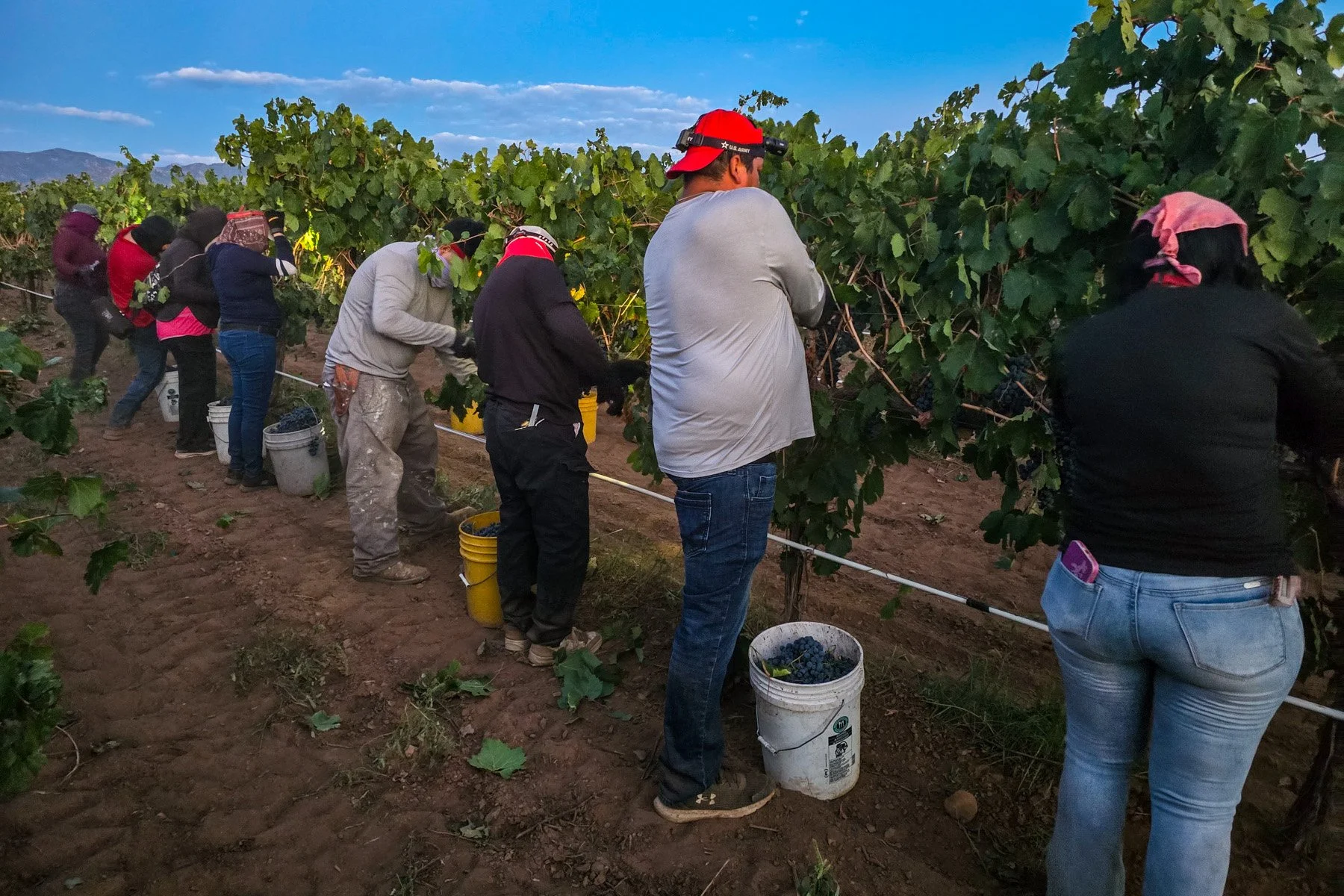
Willcox, Arizona, October 20, 2026 --- If there was one thing winemaker Jef Stebben learned during the 2026 harvest at Aridus Wine Company, it was to expect the unexpected. An early burst of heat, dramatically shifting monsoon weather and grapes that stubbornly ignored their usual ripening schedules turned this year’s harvest into a fast-and-furious exercise in adaptability. The reward? A crop that was up in volume, a crew that pulled together under pressure, and a collection of wines that has Jef excited about what lies ahead.
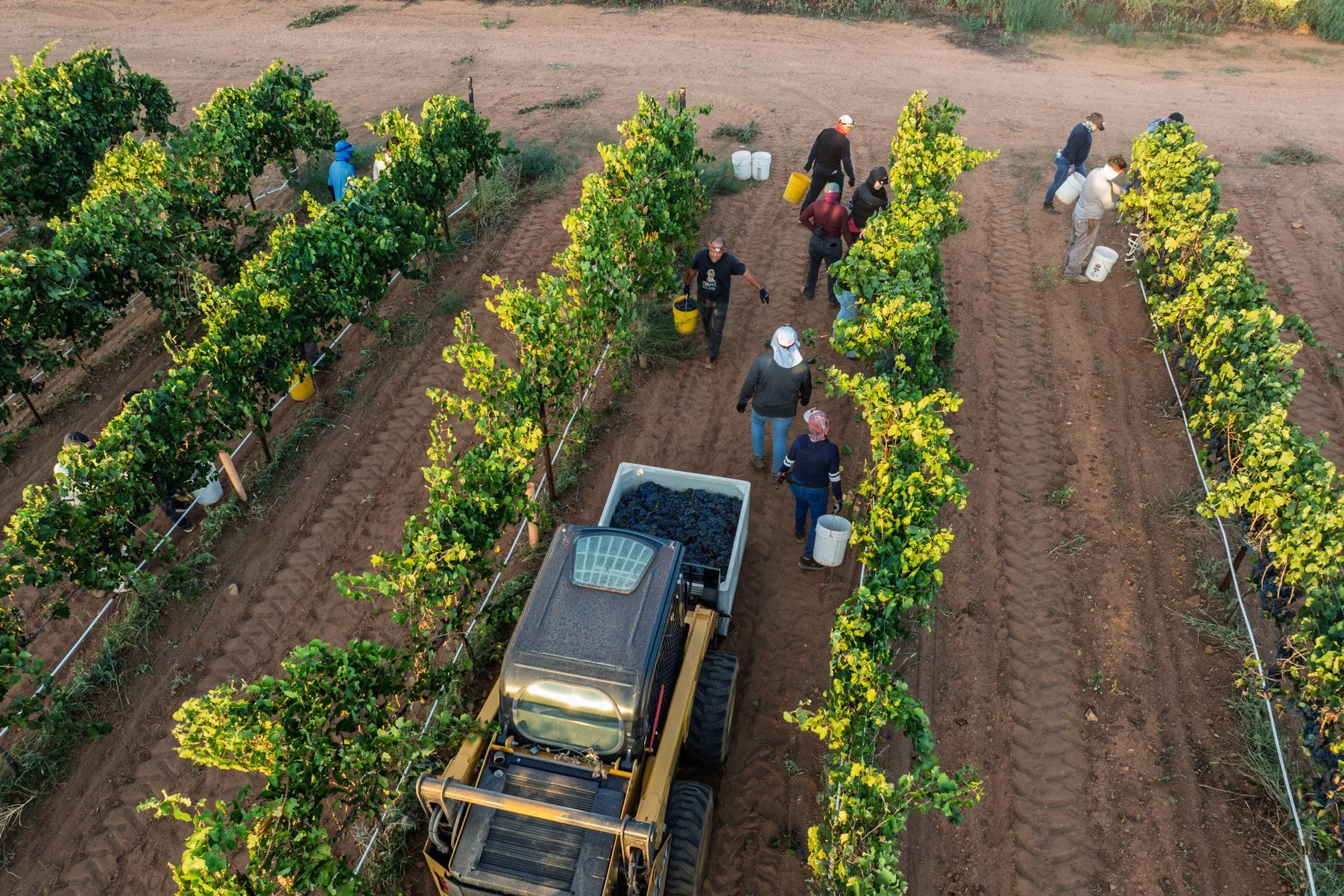
Harvest began July 14 with Chardonnay, the one variety Aridus purchases rather than grows itself. Sauvignon Blanc was the first estate-grown fruit to arrive, on July 30. From there, the season moved at a remarkable pace, with over 100 tons of estate grown grapes harvested-an increase of about 7% from 2025. The last fruit harvested came in on September 9, kicking off the work of fermentation, racking and aging in the following weeks.
“The speed at which the grapes came in was astounding,” says Stebben. “We thought we’d have breaks, but we didn’t. It just kept coming until the last fruit was in.”
Aridus produces wine exclusively from its 40-acre estate vineyard near Pearce, Arizona, about 45 minutes from the winery in Willcox. Perched at nearly 5,000 feet in the Chiricahua Foothills, the vineyard combines high-elevation mountain growing with the arid desert climate that gives the winery its name. The estate is planted to Cabernet Sauvignon, Cabernet Franc, Malbec, Merlot, Petit Verdot, Petite Sirah, Syrah, Tempranillo, Graciano, Sauvignon Blanc, Viognier and Malvasia. "Our estate vineyard offers a distinctive combination of mountain elevation and desert conditions that produces wines unlike those from anywhere else," says winery founder Scott Dahmer.
A Season That Defied Expectations
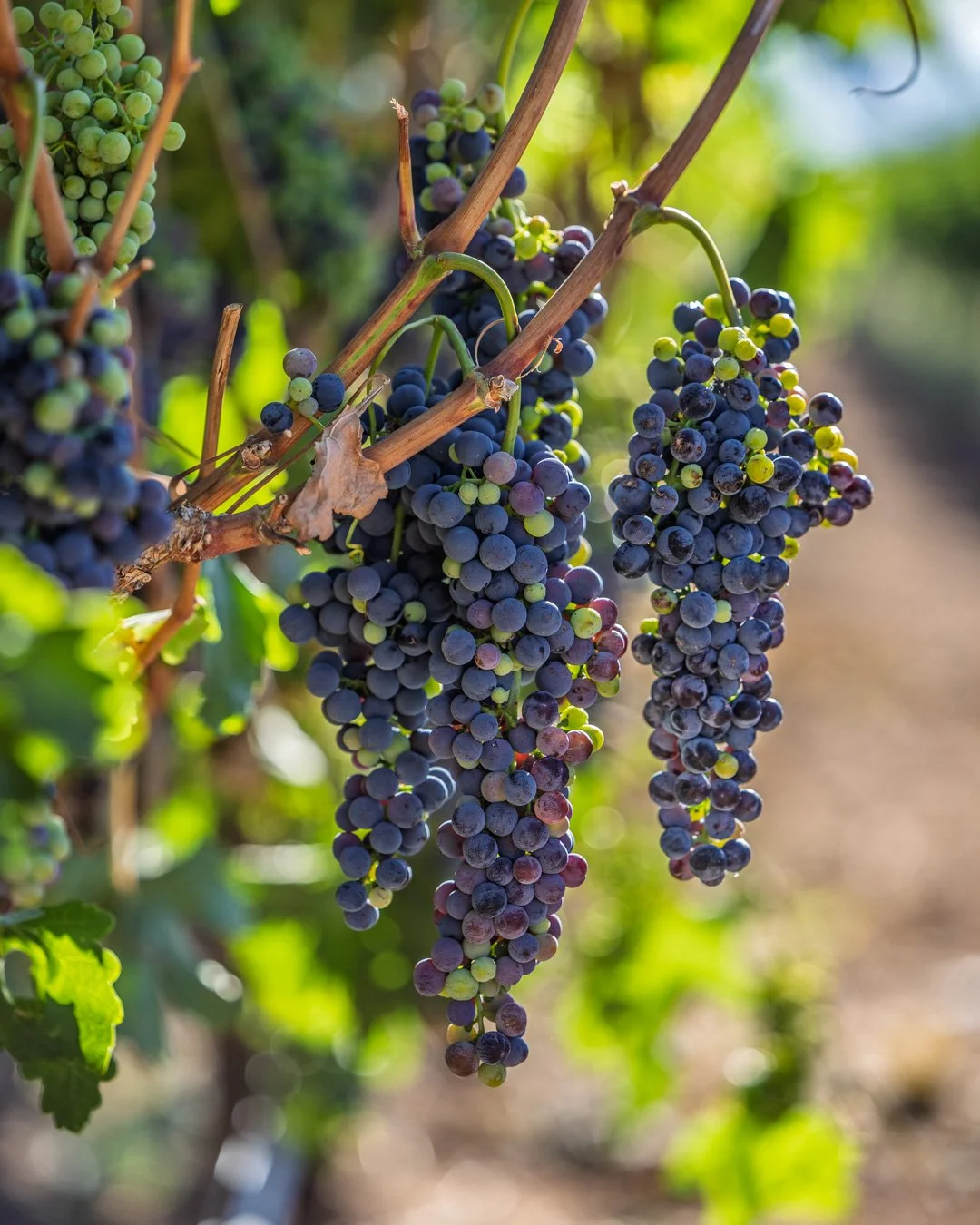
Early heat appeared to accelerate the growing season, setting the vines on a trajectory that seemed almost two months ahead of expectations. Yet the varieties did not mature in their customary order. Sauvignon Blanc, which historically comes in early, initially appeared to be lagging behind red varieties such as Malbec and Petite Sirah. Then, almost at the last minute, it caught up.
“We thought we were going to be picking red grapes first,” Stebben explains. “Instead, the whites matured enough that we picked all of them before the first red came in. It was completely unexpected.”
Viognier also challenged expectations, requiring the team to pick Sauvignon Blanc, then Viognier, and then return to harvest additional Sauvignon Blanc.
The unusual sequence was only part of the story. As temperatures climbed, grape sugars rose quickly, while other indicators of maturity did not develop as expected. Seeds remained greener than usual, stems did not lignify normally, and skins failed to soften in the familiar way.
“Grapes don’t always follow the rules,” Stebben says. “The stems, seeds and flesh can all mature at different rates. This year, the chemistry was changing so quickly that we really had to taste the fruit and pay attention to what it was telling us.”
The lesson was clear: relying on the usual visual and chemical indicators alone could have led to missed opportunities in deciding when to pick.
Stebben has a hypothesis about one possible contributor to the unusual growing season: exceptionally high ultraviolet (UV) radiation. Throughout the growing season, he recalls, weather services issued warnings about extreme UV levels, at times advising people to limit their exposure outdoors. He wonders whether the intense solar radiation may also have affected the vines.
“It’s hard to say exactly what was happening, but we saw some really unusual development,” Stebben says. “The sugars were climbing rapidly, while the seeds, skins and stems weren’t developing the way we’d normally expect. I can’t say excess UV radiation caused it, but it’s one possible explanation we’re thinking about.”
Monsoons: Welcome Relief, Unwelcome Interruptions
Arizona’s monsoon season added another layer of unpredictability. On the positive side, the storms brought much-needed water and dramatic cooling. Temperatures could drop 30 to 40 degrees Fahrenheit when a monsoon arrived, providing a welcome break from the heat and influencing how the grapes developed.
But the same storms repeatedly interrupted harvest. Rainfall was highly localized: one area might receive several inches while a vineyard just 1,000 feet away remained dry. Picking crews sometimes had to postpone harvesting for a day or two to allow the fruit to dry.
The combination of heat, rapid ripening and intermittent rain made planning difficult. Stebben and his team had to remain ready to adjust, often at short notice.
New Tools
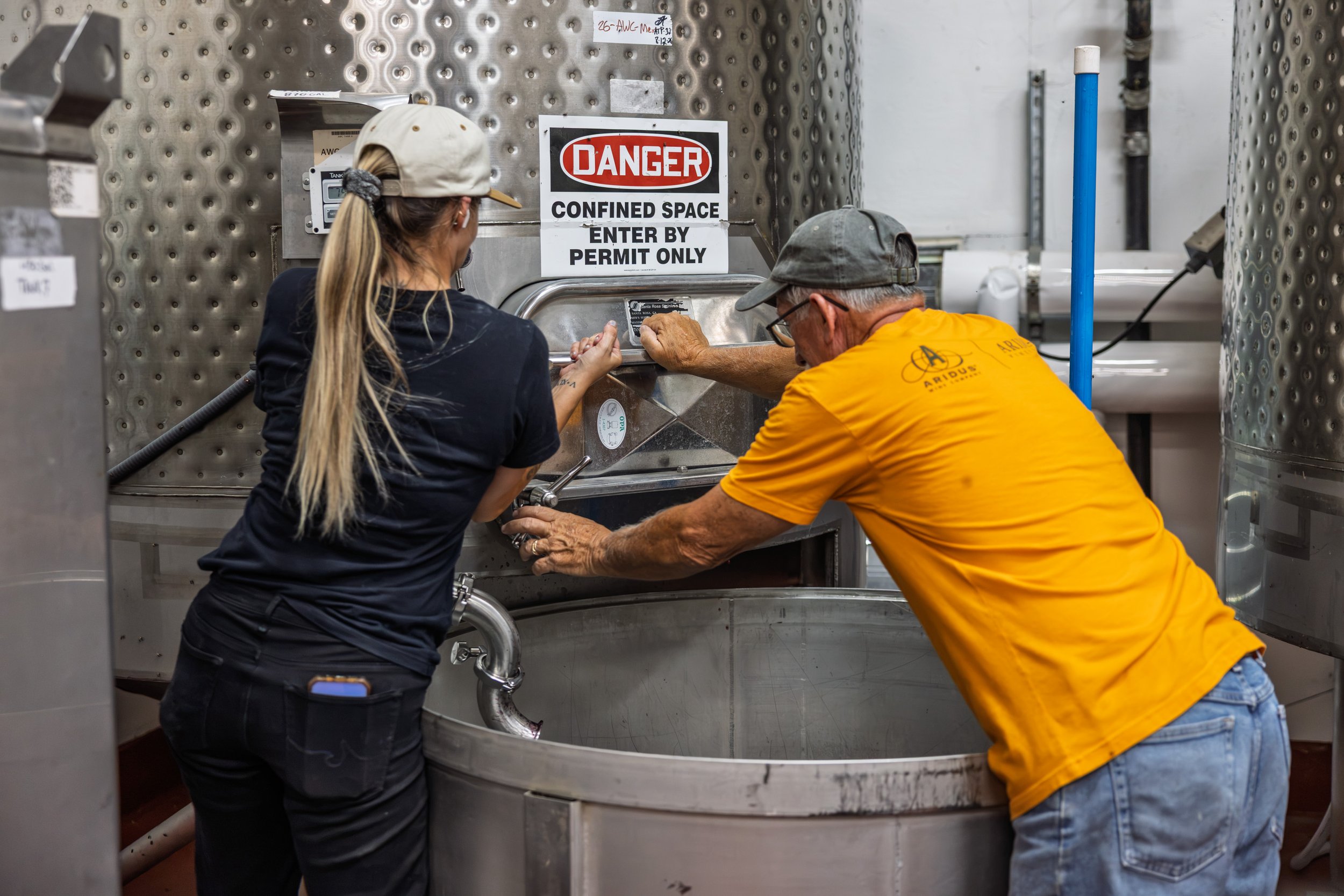
The weather and ripening patterns were challenging but a bright spot for the winery was some new technology. New automation for pumpovers — the process of circulating fermenting juice over the grape skins — saved an estimated 10 to 12 labor hours a day at peak production. An operation that had previously required substantial hands-on time could now be initiated with the flip of a switch.
The winery also adopted a new protocol for yeast additions using GoFerm SterileFlash, a product that helps prepare yeast for fermentation conditions. The change allowed a task Stebben had closely overseen for decades to be delegated confidently to newer team members.
And rather than applying cold soaking uniformly to every red-wine lot, the team made more selective decisions about which lots would benefit, tailoring its approach to the needs of individual fermentations.
For Stebben, the season reinforced lessons that go beyond winemaking.
“Be prepared for anything,” he says. “We had to think through different scenarios and be ready to adapt. And be kind. Everyone was working hard, and the respect and support people showed each other made a real difference.”
A Remarkable Malbec — and a Few Unexpected Visitors
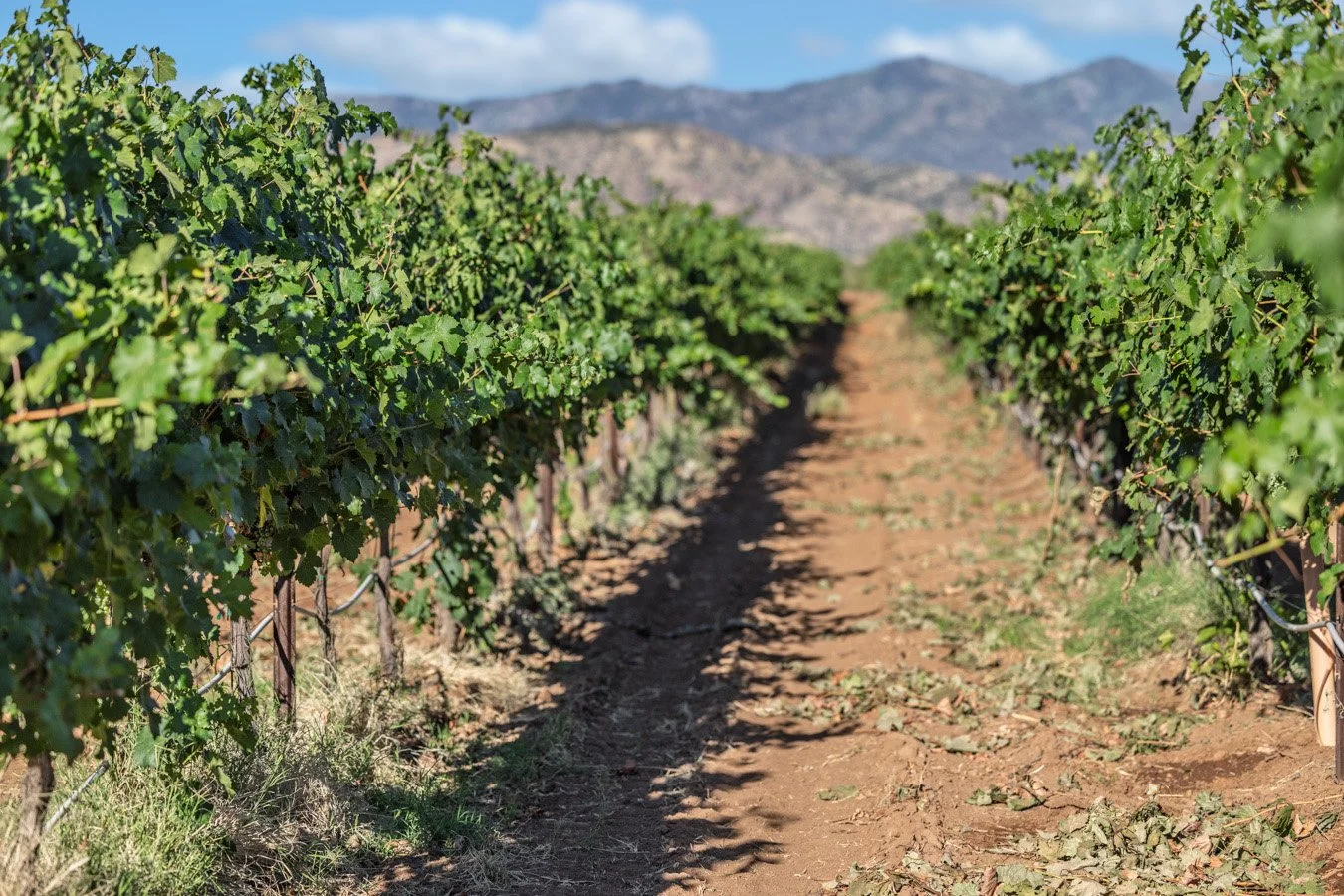
Among the season’s standout stories was Malbec, which produced a particularly generous crop. Stebben recalls a block where exceptionally vigorous vines stood beside neighboring vines growing at a much more restrained pace. Despite the unusual growth, the resulting Malbec turned out very well.
The vineyard’s other residents also made their presence known. Stebben spotted an unusually pale, almost white fox while he was walking through the Malbec block in the early morning. A tarantula repeatedly attempted to take up residence in one of the presses, while the monsoon rains brought an abundance of grasshoppers, toads and frogs.
One evening, after a long day of harvest work and cleanup, the crew stepped outside to discover a chorus of frogs and toads singing around the crush pad beneath a nearly full moon.
“It was so loud, coming from all around us,” Stebben recalls. “Everybody had this goofy, kid-like smile. It was something magical and special.”
The Wines Ahead
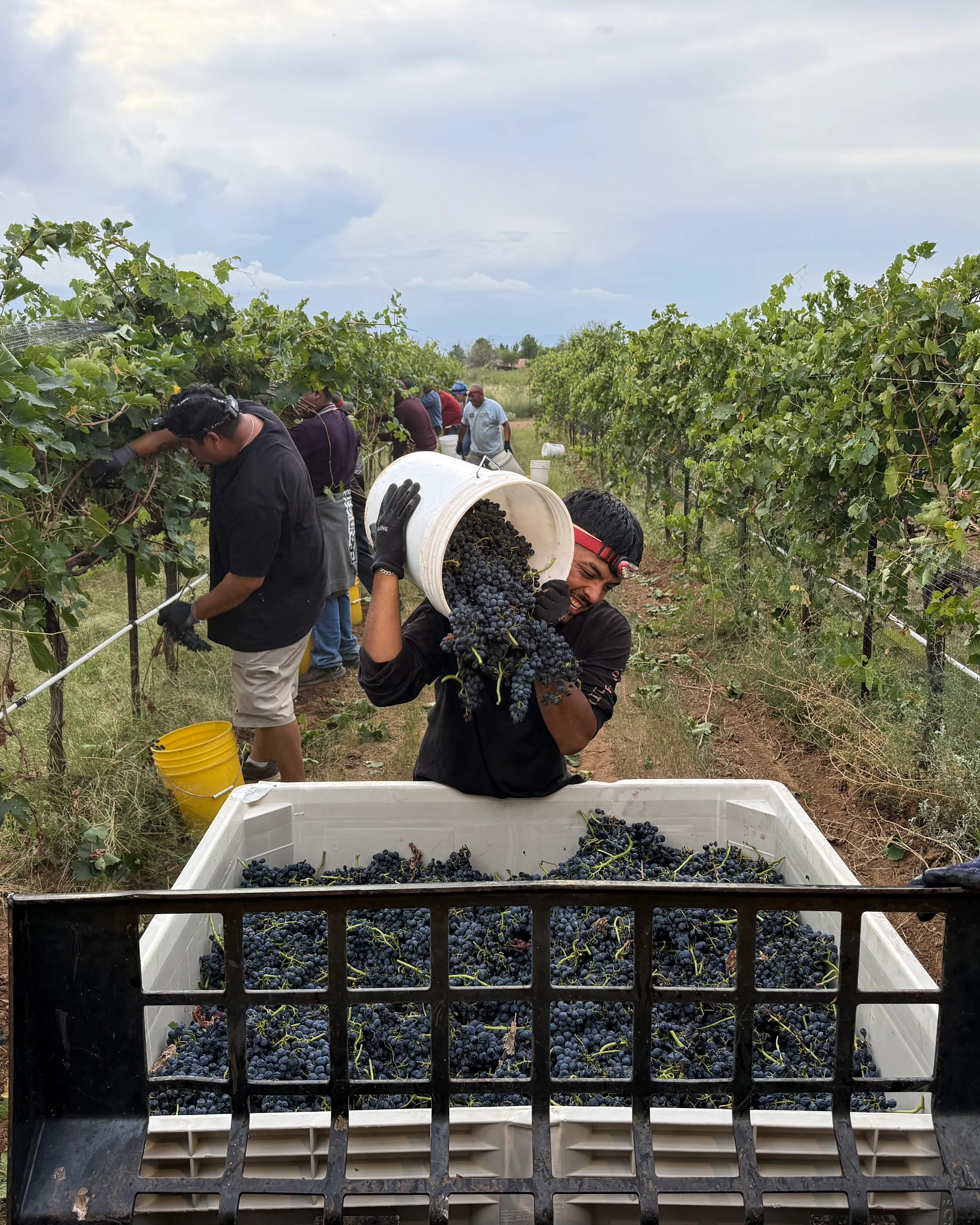
For Aridus, the 2026 harvest was a season that demanded flexibility at every turn. The crop was larger than the previous year’s, ripening and fermentation moved at remarkable speed, and both the weather and the fruit required constant attention. Yet Stebben says he is pleased with what he is tasting and sees some intriguing differences from previous vintages.
The wines are now moving beyond primary fermentation, with malolactic fermentation, racking and the transition toward maturity continuing in the cellar.
As Stebben reflects on the season, one message comes through clearly: in a place where heat and monsoon weather can change the rules from one day to the next, preparation matters — but so does the willingness to abandon expectations, trust the fruit and work together.
For Aridus, 2026 was a reminder that sometimes the best harvest strategy is simply to stay alert, stay adaptable and be ready for whatever comes next.
The first 2026 vintage wines to be bottled will be Sauvignon Blanc, Malvasia and Rosé; tentatively the Rosé will be the first 2026 vintage wine to be released.